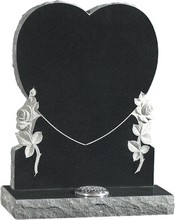
Cemetery Memorial Stones: A Practical Guide To Choosing, Designing And Caring For Lasting Tributes (2026)
Cemetery Memorial Stones: A Practical Guide To Choosing, Designing And Caring For Lasting Tributes (2026)
Making decisions about a cemetery memorial stone is rarely straightforward. I’ve helped families weigh options, navigate cemetery rules and choose inscriptions that honour the life they’re commemorating. This guide cuts through jargon and sentiment to give clear, practical advice on types of memorials, materials and finishes, how to choose the right stone for site and budget, plus designing inscriptions and long-term care. Whether you’re arranging a recent interment or planning ahead, I’ll walk you through the choices so you can make confident, informed decisions.
Types Of Cemetery Memorial Stones
Cemeteries commonly permit several broadly recognised styles of memorial stones. Understanding the differences helps you match family wishes, plot restrictions and maintenance plans.
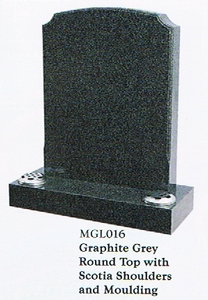
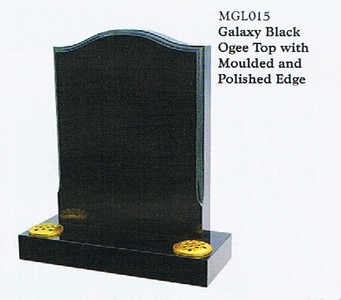
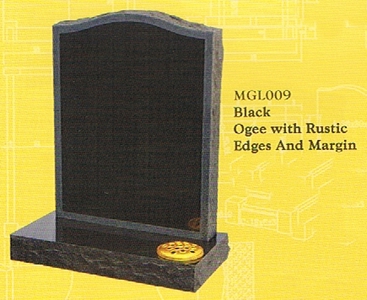
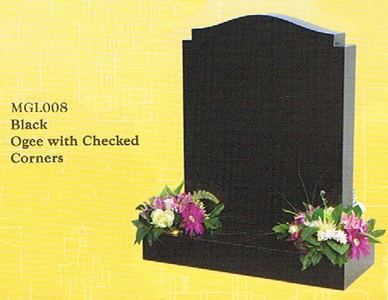
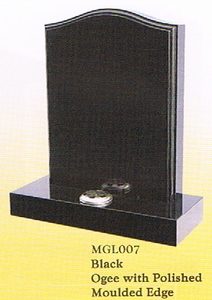
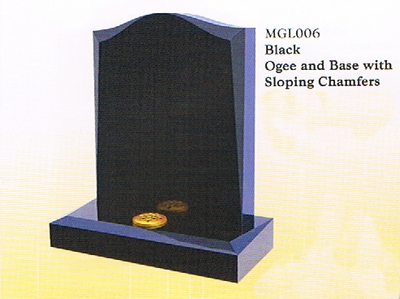
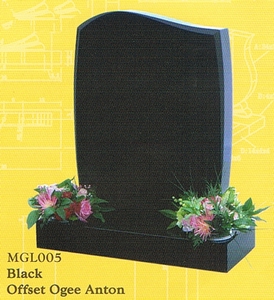
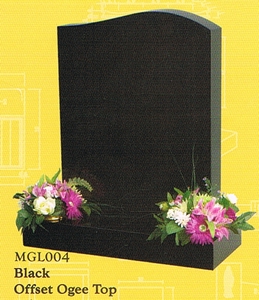
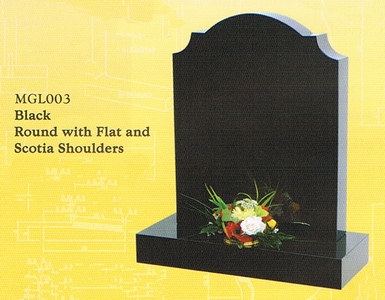
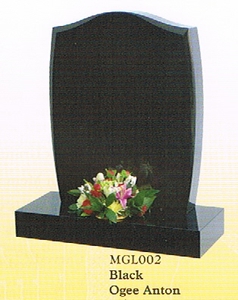
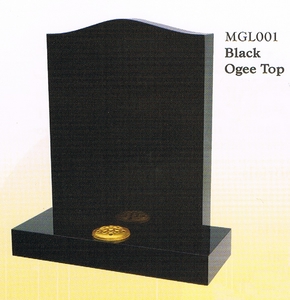
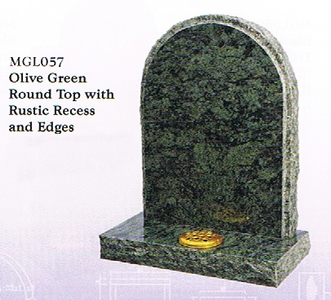
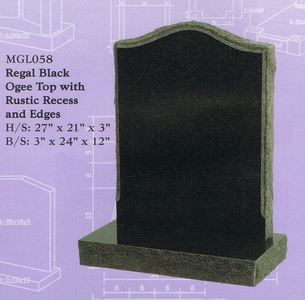
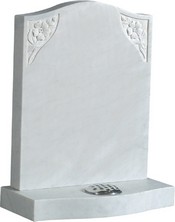
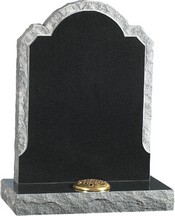
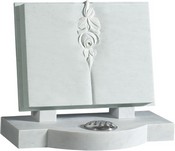
Headstones (upright monuments): The traditional choice, headstones vary from simple tablets to sculpted shapes. They’re prominent and readable from a distance, but may be subject to strict height and foundation rules.
Ledger slabs and flat memorials: Laid flat on the grave surface, ledger slabs provide a neat, low-profile appearance and are often easier to maintain. Many modern cemeteries prefer flat memorials to help mowing.
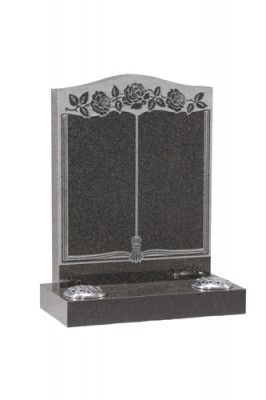
Vase-style and tablet with plinth: These combine a readable vertical face with a base that houses flowers or an inscription. They can feel more substantial and are good for family plots.
Kerb sets and family monuments: For larger family graves you might choose kerbing (raised edging) or a central monument surrounded by a paved area. These are visually striking but often attract additional permissions and higher costs.
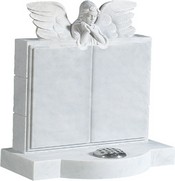
Crosses, sculptures and carved figures: Where permitted, these personalise a memorial strongly. They require careful siting and may need bespoke foundations.
In my experience, the best approach is to shortlist two styles, one ideal and one pragmatic, so you’re ready if cemetery rules or cost force a compromise. If you need wording help, a content writing service can help draft polished, respectful inscriptions and memorial texts tailored to tone and length requirements.
Materials, Durability And Finish
Choosing the right material influences appearance, lifespan and maintenance. Common materials in UK cemeteries include:
Granite: Very hard-wearing and low maintenance. Available in a range of colours from black and grey to reds and blues. Granite takes a high polish or a honed finish and is excellent for detailed lettering.
Sandstone and limestone: Traditional, warm-looking stones that weather gracefully. They’re softer, so inscriptions may erode over decades and they require more care in polluted or acid-rain-prone locations.
Marble: Once popular for its beauty, marble is softer than granite and prone to surface erosion and staining in the British climate, I usually advise it only for indoor memorials or sheltered sites.
Slate: Offers a distinctive, fine-grained look and takes crisp incised lettering. Slate is reasonably durable but can delaminate in very wet conditions.
Bronze on stone plinths: Bronze plaques fixed to granite or sandstone bases combine durability with a stately appearance. Bronze can develop a greenish patina, which some families value.
Finishes matter: polished faces highlight colour contrasts: honed or bush-hammered finishes reduce glare and hide weathering. For inscriptions, raised lettering and bronze plaques often outlast incised letters in softer stones.
I recommend checking a stone sample on site if possible, light and moisture change perception. A specialist monumental mason will advise which materials are acceptable to the cemetery and best for longevity. If you’d like the wording refined, a content writing service can tailor the inscription to the material and finish chosen so it remains legible for generations.
Choosing The Right Stone
Choosing the right stone involves site constraints, family priorities and long-term upkeep. I approach the decision in three practical steps:
Assess the site: Visit the cemetery at the time of day you’ll normally see the memorial. Note sunlight, shelter and surrounding vegetation. A dark, polished granite may disappear in shade, while a lighter sandstone can stand out. Check soil conditions: soft ground may require deeper foundations.
Match appearance to intent: Do you want a modern, understated tribute or a more ornate, traditional memorial? Contemporary designs favour simple shapes and subtle lettering. Traditional memorials allow for carving, symbols and larger inscriptions.
Plan for maintenance: If family members will not be able to care for the stone regularly, choose low-maintenance materials like granite and designs without intricate carvings that trap dirt.
I always advise getting at least two written estimates from reputable masons, confirming foundations, fixings and installation timelines. Ask to see examples of their recent work in local cemeteries, that often reveals how materials age in your area.
Cemetery Rules And Permissions
Before ordering, consult the cemetery office for the latest rules. Most cemeteries issue a memorial permit outlining permitted sizes, materials and installation standards. Permission is usually required for any upright monument, kerbing or large vase. Allow time: approvals can take several weeks. Some councils require the mason to be on an approved contractors list and to guarantee stability for a fixed period.
Budgeting And Typical Costs
Costs vary widely by material, size and complexity. As a general guide in the UK (2026 approximate): simple flat plaques might start from £300–£600: modest upright granite headstones commonly fall between £900–£2,000 including inscription and installation: larger family monuments or sculpted pieces can exceed £5,000. Additional costs include cemetery fees, foundations and delivery. I find budgeting at the higher end of estimates avoids surprises, particularly if you require bespoke carving or special fixings.
Designing Inscriptions And Symbolism, Installation And Care
Designing an inscription balances sentiment, legibility and cemetery rules. Short, well-chosen phrases age better than long paragraphs and remain readable from a distance.
Inscriptions: Start with the essential, name, dates and a concise epitaph. If you’re adding quotations, religious verses or personal notes, check character limits and spacing. I recommend drafting several options and reading them aloud: the rhythm of words matters. Avoid using punctuation or decorative fonts that can complicate stone cutting.
Symbolism and imagery: Symbols (religious icons, floral motifs, emblems of service) add meaning but check size limits. Carved portraits or photographs can be powerful but require skilled masons and may weather differently depending on the stone.
Installation: Professional installation is crucial. Foundations must suit soil type and the monument’s weight: poor foundations are the most common cause of leaning stones. The installer should use stainless steel fixings and comply with BS 8415 or equivalent standards where applicable. Ensure the memorial is registered with the cemetery and that the mason provides a written guarantee.
Care and maintenance: Routine cleaning prevents moss and lichen build-up. For granite, warm water and a soft brush are usually enough. Avoid harsh chemical cleaners, bleach or power washers. For sandstone or marble, specialist conservators may be needed for deep cleaning. Inspect the memorial annually for loose fixings, biological growth or surface damage: early intervention prevents costly repairs.
Record-keeping: Photograph the memorial and keep a digital copy of the inscription and mason’s guarantee. If the family moves or responsibilities change, having clear records ensures continuity of care.
If you’d like help composing dignified, concise inscriptions, I sometimes work with families or recommend a reliable content writing service that specialises in memorial wording to ensure tone, brevity and sensitivity.
Conclusion
Choosing a cemetery memorial stone is a practical and personal process. I recommend prioritising material durability and cemetery compliance, keeping inscriptions concise, and planning for low-maintenance care. Visit the site, get multiple quotes, and insist on professional installation. If you need help with phrasing or presentation, a specialist content writing service can provide sensitive, well-crafted wording that fits your stone and lasts. With thoughtful choices, a memorial becomes a lasting, appropriate tribute.
Key Takeaways
- Choosing the right cemetery memorial stone involves balancing material durability, cemetery regulations, and personal preferences to create a lasting tribute.
- Granite is highly recommended for cemetery memorial stones due to its hardness, variety of colours, and low maintenance needs.
- Consulting cemetery rules and obtaining permits early ensures your memorial stone complies with size, material, and installation standards.
- Design inscriptions to be concise and legible, focusing on essential information while considering spacing and symbolism restrictions.
- Professional installation and regular maintenance, such as gentle cleaning and annual inspections, preserve the memorial stone’s appearance and stability.
- Obtaining multiple quotes from reputable masons and reviewing their previous work helps secure quality materials and workmanship for your cemetery memorial stone.
Frequently Asked Questions About Cemetery Memorial Stones
What types of cemetery memorial stones are commonly permitted in UK cemeteries?
Common types include upright headstones, ledger slabs and flat memorials, vase-style stones with plinths, kerb sets and family monuments, as well as crosses and sculpted figures, though permissions vary by cemetery.
How do I choose the right material for a cemetery memorial stone?
Consider durability, appearance, and maintenance. Granite is hard-wearing and low maintenance, sandstone and limestone weather gracefully but need care, marble suits indoor or sheltered sites, and bronze plaques offer a stately, durable option.
What should I know about cemetery rules and permissions before installing a memorial stone?
You must consult the cemetery office for current rules and obtain a memorial permit specifying permitted sizes, materials, and installation standards. Approval can take weeks, and some cemeteries require approved contractors and stability guarantees.
How can I design a lasting and respectful inscription for a cemetery memorial?
Use concise phrasing with essential details like name and dates. Avoid long paragraphs, decorative fonts, and punctuation. Draft multiple versions to ensure good rhythm and check cemetery character limits for quotations or symbols.
What are the typical costs for cemetery memorial stones in the UK?
Simple flat plaques start around £300–£600; modest upright granite headstones range from £900–£2,000 including inscription and installation; larger family monuments or sculptures can exceed £5,000. Additional fees may include cemetery charges and foundations.
How should I care for and maintain a cemetery memorial stone?
Routine cleaning with warm water and a soft brush is effective for granite. Avoid harsh chemicals and power washers. Sandstone or marble may need specialist care. Annual inspections for loose fixings or damage help prevent costly repairs over time.